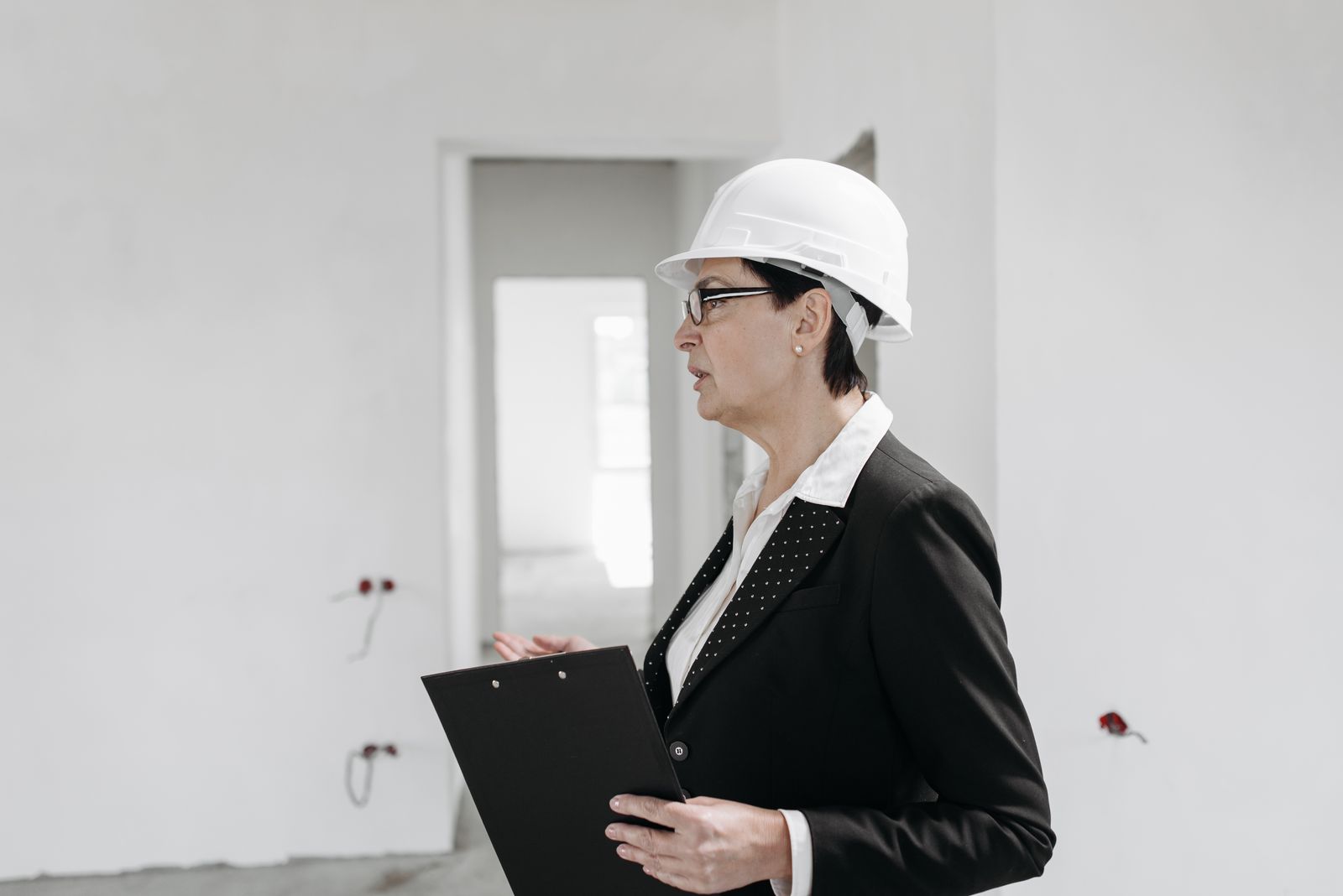
What is a toolbox talk? A toolbox talk is a short safety meeting, usually 5 to 15 minutes, held on the jobsite before work starts, focused on one hazard the crew will face that day. It is led by a foreman, supervisor, or competent person, it happens where the work happens, and it ends with the crew knowing exactly what to do differently in the next few hours. It is not a lecture, not a training class, and not a paperwork exercise. Done well it is the single cheapest safety control on a construction site, and this guide covers how to run one that changes behavior instead of filling a binder.
Table of Contents
- The Short Answer
- What a Toolbox Talk Is and What It Is Not
- Why Toolbox Talks Work
- How Often Should a Crew Hold One?
- How to Run a Toolbox Talk in 10 Minutes
- Topics That Fit the Work in Front of You
- Documenting the Talk
- Mistakes That Make Toolbox Talks Useless
- A Sample Toolbox Talk, Start to Finish
- Toolbox Talks in Manufacturing and Industrial Settings
- Building a Year of Topics
- Measuring Whether Your Toolbox Talks Are Working
- Frequently Asked Questions
The Short Answer
Sheffield Safety has run and audited thousands of toolbox talks on projects across Illinois, Texas, and a dozen other states since 2003, and the good ones share the same shape. One topic. One hazard the crew will actually touch today. A few minutes at the start of the shift, standing near the work. Questions answered. Names on a sheet. Then the crew goes to work with the hazard fresh in mind.
That is the whole answer to what is a toolbox talk. The rest of this post is about the details that separate a talk that prevents an injury from one that gets signed and forgotten, and about how the talk fits into the larger safety program a competent person is responsible for.
What a Toolbox Talk Is and What It Is Not
The name comes from crews gathering around the gang box at the start of a shift. Other names for the same thing are tailgate meetings, safety huddles, and pre-task briefings. Whatever the name, the defining features are the same.
- Short. Five to fifteen minutes. Longer than that and attention is gone.
- Specific. One hazard, one task, one crew. Ladder setup on the second floor today, not ladder safety in general.
- On site. Held where the work is, ideally within sight of the hazard being discussed.
- Two way. The lead asks questions and the crew answers. The crew raises what they have seen.
- Documented. Topic, date, presenter, and attendee signatures on a one-page sheet.
A toolbox talk is not formal training. OSHA 10 and OSHA 30 classes teach the standards. A toolbox talk applies one of them to the wall the crew is about to frame. It is also not a job hazard analysis, though the two work together: the JHA identifies the hazards for a task, and the toolbox talk reminds the crew of the controls right before they start.
Why Toolbox Talks Work
Injuries on construction sites cluster around a short list of causes. Falls, struck-by, caught-in-between, and electrocution account for the majority of construction fatalities in OSHA’s data year after year. Most of those incidents involve a hazard the crew knew about in general and lost track of in the moment. A toolbox talk is a way to put the specific hazard back at the front of the mind a few minutes before the exposure.
It also builds the habit of talking about hazards. Crews that hold a daily talk report near misses more, because they have a place to say what they saw. Our post on near miss reporting in construction explains why that reporting is the leading indicator that predicts whether a serious injury is coming. The talk is where the culture gets built, ten minutes at a time.
How Often Should a Crew Hold One?
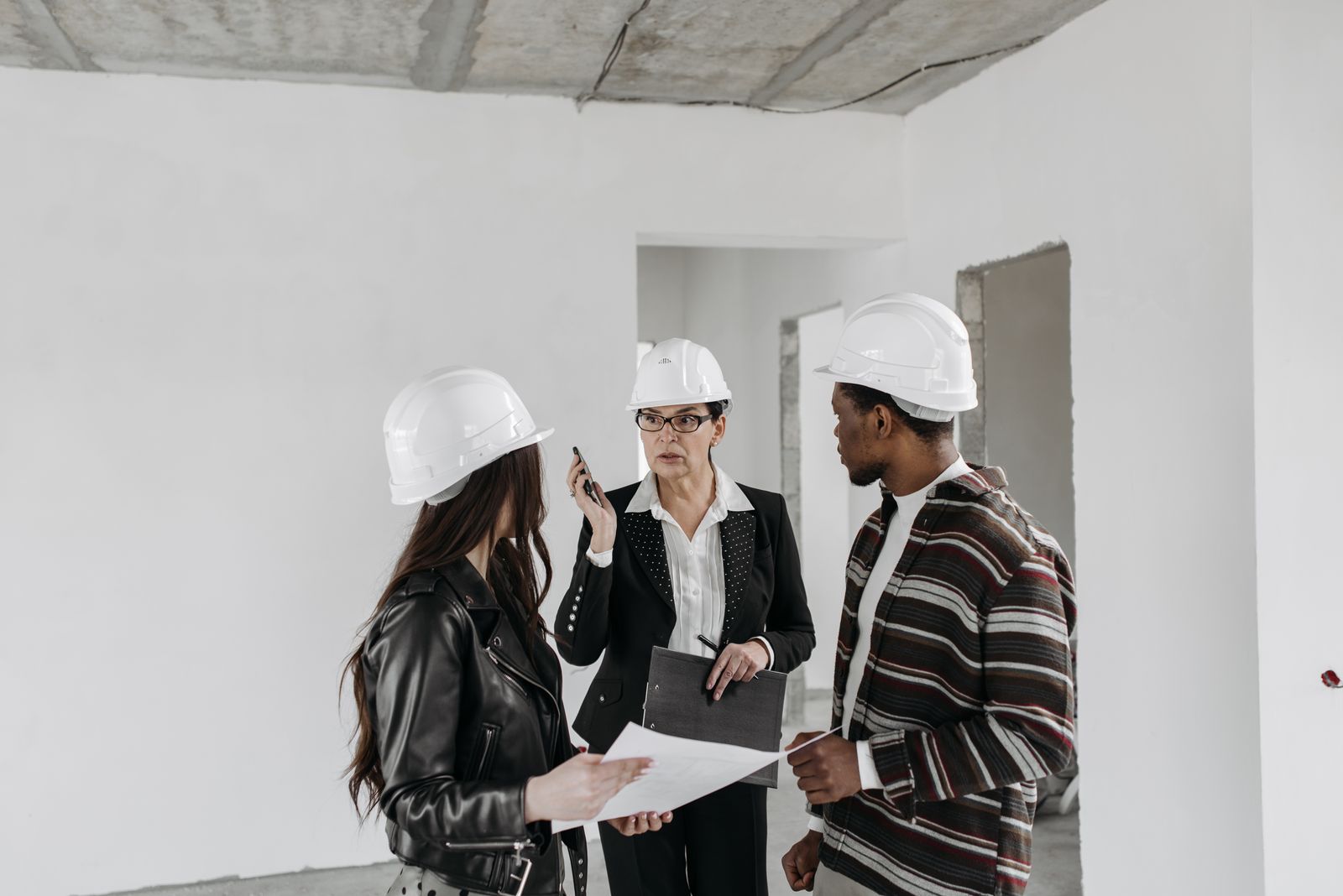
Daily is the standard on active construction sites, and it is what we recommend for any crew whose task or location changes from day to day. A daily talk takes five minutes and matches the hazard to the day’s work. Weekly talks are common on longer-duration projects with stable tasks, and in manufacturing plants where the process does not change shift to shift.
Add a talk whenever the work changes: a new phase begins, a subcontractor arrives, weather turns, or a near miss happened yesterday. Those are the moments when a five-minute reset prevents the incident that a scheduled Monday talk would have missed. On projects where we provide on-site safety personnel, the daily talk is the first thing on the schedule.
How to Run a Toolbox Talk in 10 Minutes
Here is the format our safety professionals use. It fits on an index card and works for a two-person crew or a forty-person site.
- Minute 1: State the topic and why today. ‘We are setting the roof trusses this morning, so we are talking about fall protection at the leading edge.’
- Minutes 2 to 5: Cover the hazard and the controls. What can go wrong, what protects against it, and what the crew must do. Point at the actual equipment.
- Minutes 6 to 8: Ask questions. ‘Where is the anchor point on the east side? Who is checking the harnesses?’ Wait for real answers.
- Minute 9: Ask what the crew has seen. Near misses, missing equipment, a hazard nobody has raised. Write it down.
- Minute 10: Close with the one thing. ‘Nobody past the edge line without a tie-off. Sign the sheet.’
Keep it standing up, keep it near the work, and keep phones away. The person leading it does not need to be a safety professional. A foreman who knows the task and has the competent person authority to stop work is the ideal presenter.
Topics That Fit the Work in Front of You
The best topic is the hazard in front of you. When a crew has the same hazard for weeks, rotate through the controls around it. A few that fit most sites:
- Fall protection at leading edges, on ladders, and around floor openings. Our post on when fall protection is required gives the trigger heights.
- Struck-by hazards around excavators, cranes, and delivery trucks, including where the swing radius is today.
- Silica dust when cutting block, concrete, or tile, and which saw and vacuum are set up for it.
- Heat illness in Houston summers and cold stress on Chicago sites in January.
- PPE for the task, matched to the PPE hazard assessment for that work.
- Housekeeping, because trips and slips on debris are the most common recordable on most sites.
- Lessons from a near miss or incident on this project or a similar one.
Documenting the Talk
OSHA does not require toolbox talks by name, but it does require that employees be trained on the hazards of their work and that employers maintain a safety program. A signed toolbox talk sheet is the most practical evidence that the training was delivered and that the program is active. It is also one of the first things a compliance officer asks for, as we explain in what triggers an OSHA inspection.
The sheet needs five things: the date, the project, the topic, the presenter’s name, and the printed names and signatures of everyone present. Add any hazards the crew raised and who is responsible for fixing them. File it with the project safety records. If you are on a project we manage, the sheet feeds the weekly report the owner and the insurance carrier see.
Mistakes That Make Toolbox Talks Useless
We audit toolbox talks as part of every site visit, and the ones that fail do so for predictable reasons.
- Reading a generic handout. A talk on ‘ladder safety’ downloaded from the internet, read aloud, on a day the crew is not using ladders.
- Talking for 30 minutes. The crew stops listening after 10, and the foreman starts skipping talks because they eat the morning.
- No questions. A one-way talk confirms nothing. If nobody speaks, nobody learned.
- Signatures without attendance. A sheet passed around the trailer at lunch is a liability, not a record.
- Ignoring what the crew raises. If a worker mentions a missing guardrail and nothing changes, the next talk is theater.
The fix for all of them is the same: a specific topic, a short format, real questions, and follow-through on what the crew reports. That is also what a site safety audit checks for, and it is the part of a safety program that pays back fastest, as our post on workplace safety ROI lays out.
A Sample Toolbox Talk, Start to Finish
Here is what is a toolbox talk in practice, using a real scenario from a Chicago-area project: a framing crew starting second-floor deck work on a Monday morning.
- Opening: ‘Today we are decking the second floor. The leading edge moves all day, so we are talking about fall protection at the edge and floor openings.’
- Hazard: ‘Two ways to get hurt here. Stepping back off the edge while carrying sheathing, and stepping through an unguarded stair opening. Both are fatal falls at this height.’
- Controls: ‘Warning line is set six feet back. Nobody past it without a harness clipped to the horizontal lifeline, which is rigged and inspected. The stair opening gets a cover before the first sheet goes down, and it gets marked HOLE.’
- Questions: ‘Where do you clip off on the north side? What do you do if the lifeline is slack?’ The crew answers. The foreman corrects one answer.
- Crew input: A carpenter says the cover on the mechanical chase came loose Friday. The foreman assigns it to be re-secured before work starts.
- Close: ‘Nobody past the line without a tie-off. Cover goes on first. Sign in.’ Eight minutes.
That talk did three things a handout cannot: it named the specific edge, it caught a hazard the crew already knew about, and it produced a record with a corrective action. That is the standard we hold our own on-site safety personnel to, and it is what a compliance officer means when they ask whether your training is site-specific.
Toolbox Talks in Manufacturing and Industrial Settings
The toolbox talk started in construction, but the format works anywhere a crew starts a shift together. In a manufacturing plant the talk happens at the line or the cell, and the topic follows the process: lockout before a jam clear, guarding on the press, forklift traffic in the aisle, hearing protection near the stamping line. Weekly is the usual cadence in a plant because the hazards repeat, with an extra talk whenever a process changes or a near miss occurs.
Industrial hygiene topics fit this format well. A five-minute talk on why the welding fume extractor arm has to be positioned before the arc strikes, or on when a respirator is required for a solvent, reinforces what the industrial hygiene sampling found. What is a toolbox talk in a plant, then, is the same thing it is on a jobsite: one hazard, one shift, a few minutes, questions, signatures.
Building a Year of Topics
Foremen run out of topics by March if they are improvising. A simple annual plan fixes that. Take the hazards from the job hazard analysis for each phase of the project and spread them across the schedule so each hazard gets covered right before the phase that creates it. Layer in seasonal topics: heat illness before June, cold stress and ice before December, storm and lightning procedures for the Houston summer. Reserve a slot each month for whatever the last site safety audit found, and another for a near miss from the project.
OSHA’s construction industry page publishes construction-focused guidance that maps well onto this calendar, and OSHA’s laws and regulations index is the reference when a talk needs to cite the actual standard. Keep each talk to one card, keep the cards in the trailer, and the program runs itself. Sheffield Safety builds this calendar for clients as part of program implementation, and it is the piece of a safety program crews notice first.
Measuring Whether Your Toolbox Talks Are Working
A toolbox talk program that only counts sheets filed is measuring compliance, not safety. The measures that tell you whether the talks are changing behavior are simple to collect and worth putting on the monthly report.
- Talks held versus talks scheduled, by crew. A crew at 60 percent is skipping the days that matter most, usually the busy ones.
- Hazards raised by the crew per talk. Zero for a month means nobody is speaking, and that is a leadership problem, not a crew problem.
- Corrective actions closed within a week of being raised. If the crew reports a missing guardrail and it is still missing at the next talk, the program has lost them.
- Near-miss reports per hundred workers. This should rise in the first months of a real program as people start speaking up, then fall as hazards get fixed.
- Audit findings that repeat. A hazard that shows up on consecutive site audits after being covered in a talk means the talk is not reaching the work.
Compare those numbers across crews and across months, and the pattern shows where a foreman needs coaching or where a topic needs a different approach. OSHA’s construction industry page and OSHA’s laws and regulations index are the references when a finding needs to be tied to a specific standard. Sheffield Safety builds these measures into the reporting for every client we support, because the answer to what is a toolbox talk worth to a company is only visible in the numbers that move afterward.
The final point about what is a toolbox talk comes from the incidents we investigate. When we trace a serious injury back through the days before it, we very often find that the hazard was known, that it had come up in conversation, and that it had not been the subject of a focused talk with the crew that was exposed. Ten minutes that morning, on that hazard, with those people, is the cheapest control on the site and the one most often skipped. Our accident investigation team sees it in the record more than any other single factor, and it is why we start every program with the daily talk.
Frequently Asked Questions
What is a toolbox talk supposed to cover?
One hazard the crew will face that day, the controls for it, and what each person must do. It should match the job hazard analysis for the task.
Are toolbox talks required by OSHA?
Not by that name. OSHA requires hazard training and an active safety program, and a signed talk sheet is the most common proof of both. We cover what inspectors look for in what triggers an OSHA inspection.
Who should lead a toolbox talk?
The foreman or supervisor closest to the work, ideally someone with competent person authority to stop the task. A safety professional can lead when the topic is technical.
How long should a toolbox talk take?
Five to fifteen minutes. If it needs longer, the topic belongs in formal safety training, not a morning huddle.
Need Help Building a Toolbox Talk Program That Sticks?
Sheffield Safety provides site audits, on-site safety personnel, training, and program implementation for construction and industrial employers from Plainfield, Illinois and Houston, Texas, serving projects in more than a dozen states. Contact us to talk about what your crews need.