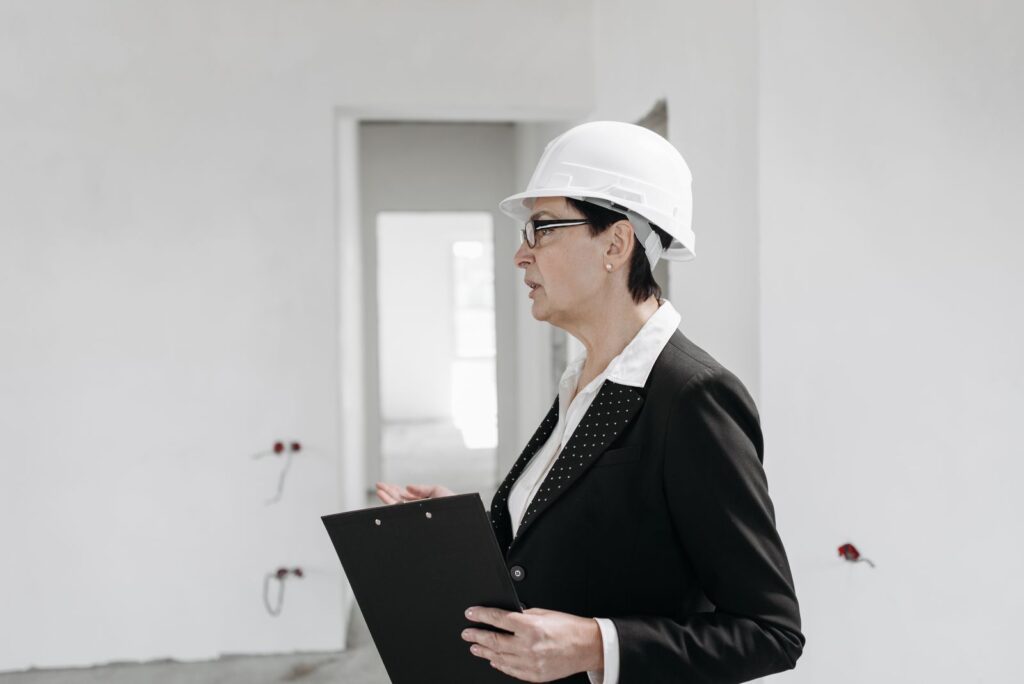
What does a safety consultant do? A safety consultant is an outside professional who evaluates a company’s workplace hazards, builds or repairs its safety program, trains its people, and stands in for a full-time safety department when the company does not have one. In a typical week that means walking jobsites and plants, writing audit findings, drafting the policies and procedures OSHA expects to see, running training, investigating incidents, and reporting to ownership on where the risk is. The work is practical and hands-on, not theoretical, and this guide covers what the role looks like from the inside and how to tell a good one from a paper mill.
Table of Contents
- The Short Answer
- What a Safety Consultant Does Day to Day
- When a Company Brings One In
- Safety Consultant vs Full-Time Safety Manager
- What to Look For When Hiring One
- What the First 90 Days Look Like
- How to Measure Whether It Is Working
- What Does a Safety Consultant Do During an OSHA Inspection?
- What Does a Safety Consultant Do for Insurance Carriers and Project Owners?
- Industrial Hygiene: The Part Most Companies Miss
- A Week in the Life of a Sheffield Safety Consultant
- Questions to Ask Before You Hire a Safety Consultant
- Frequently Asked Questions
The Short Answer
Sheffield Safety has provided safety consulting to construction firms, manufacturers, insurance carriers, and project owners since 2003, so the answer to what does a safety consultant do comes from the work itself. The role has four parts. Assess: find the hazards and gaps. Build: put the program, procedures, and training in place. Run: be on site, coach crews, investigate incidents. Report: give ownership and carriers the data to make decisions.
Which part dominates depends on the client. A general contractor with a project starting next month needs the run part, which is why we provide on-site safety personnel. A manufacturer that just got an OSHA citation needs assess and build first, which is where site audits and program implementation come in.
What a Safety Consultant Does Day to Day
Here is what fills a consultant’s calendar on a typical engagement.
- Site audits and inspections. Walking the site with a site safety audit checklist, photographing hazards, and rating each finding by severity and by what it would cost to fix.
- Written programs. Drafting the hazard communication plan, fall protection plan, respiratory protection program, lockout procedures, and the other documents OSHA standards require an employer to have in writing.
- Training. Delivering OSHA 10 and 30, competent person courses, equipment-specific training, and the daily toolbox talk structure. Our safety training page lists what we teach.
- Incident investigation. Getting to the root cause after an injury or near miss and writing the corrective actions, following the process in accident investigation steps.
- Industrial hygiene. Sampling air for silica, welding fume, noise, and other exposures, and comparing results to the permissible limits. See industrial hygiene services.
- Regulatory support. Preparing for and attending OSHA inspections, responding to citations, and negotiating abatement.
- Reporting. Weekly or monthly summaries for ownership, the project owner, and the insurance carrier, with leading indicators, not just the injury count.
When a Company Brings One In
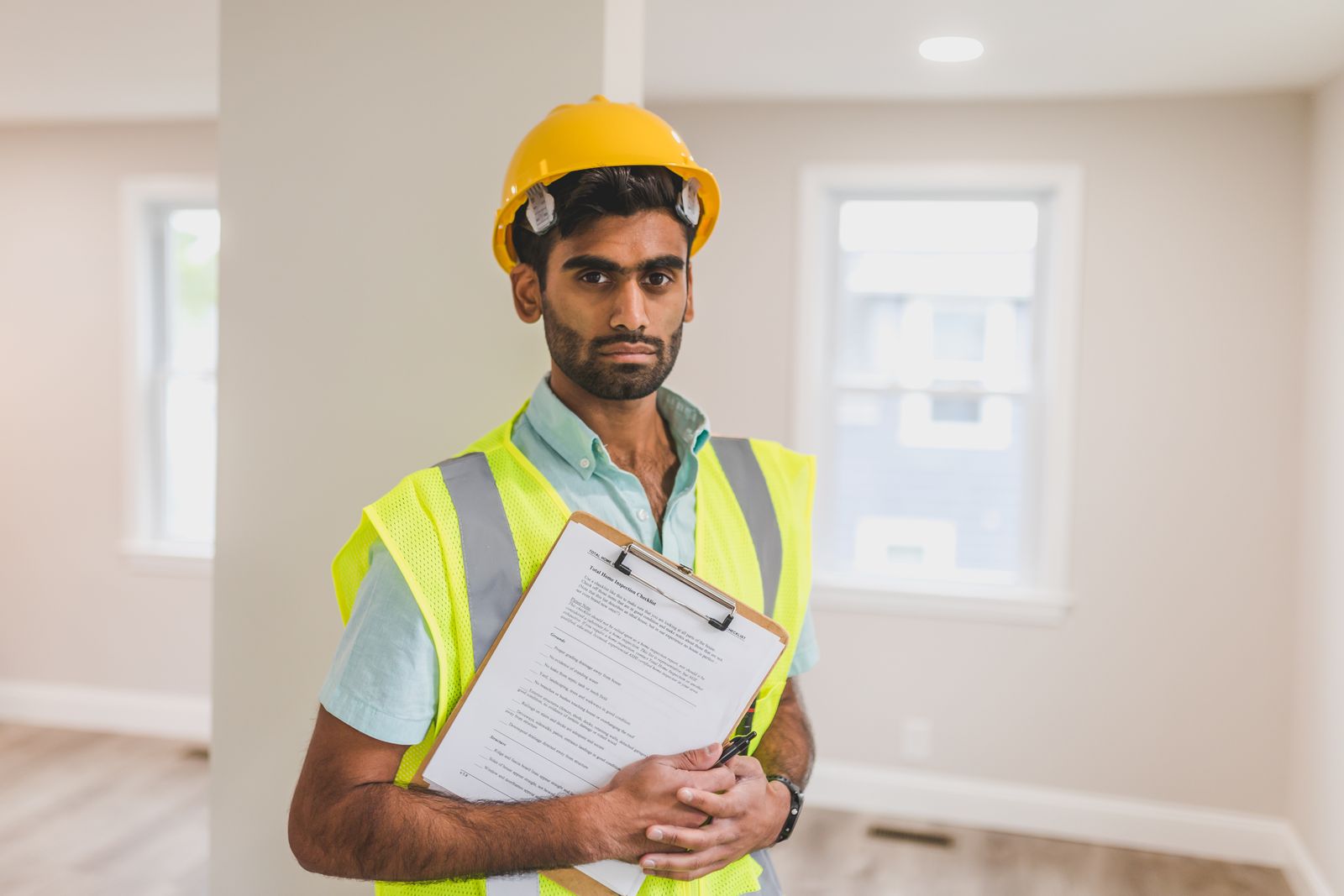
Companies rarely call a safety consultant when everything is fine. The triggers we see most often:
- An OSHA inspection or citation. The company needs an abatement plan and a program that will pass the follow-up. Our post on what triggers an OSHA inspection explains what starts one.
- A serious injury or fatality. Ownership wants an independent investigation and a plan to prevent a repeat.
- A project owner or general contractor requiring a safety professional on site as a condition of the contract.
- Insurance pressure. A carrier raises rates or threatens non-renewal because of the loss history, and the company needs to show a program that will change it.
- Growth. The company added crews or a second shift and the owner can no longer be the safety department.
- Bidding. A prospective client asks for an EMR, a written program, and training records the company does not have.
In every case, the consultant’s first job is to find out where the company actually stands, which means an audit before any writing begins. Our post on workplace safety ROI covers why the money spent here comes back through lower premiums and fewer lost days.
Safety Consultant vs Full-Time Safety Manager
A full-time safety manager makes sense when a company has enough exposure to keep one busy every day, usually a few hundred employees or several large active projects. Below that, a consultant delivers the same expertise at the hours the company needs, and often more experience per hour, because a consultant sees dozens of sites a year instead of one.
The two are not either-or. Many of our clients have an internal safety coordinator who handles daily paperwork and calls us for audits, training, incident investigations, and the technical programs. Others use our on-site personnel as the safety department for a project’s duration and go back to a lighter arrangement when it closes.
What to Look For When Hiring One
The safety consulting field has no license requirement, so the quality range is wide. Here is what separates a consultant who reduces injuries from one who sells binders.
- Field experience in your industry. A consultant who has managed safety on a high-rise knows what a leading edge looks like at 6 a.m. A generalist does not.
- Credentials that mean something. CSP, CHST, CIH, and OSHA authorized trainer status are earned through exams and documented experience.
- A site-first approach. If the proposal starts with writing your programs before anyone has walked your site, the programs will not match your work.
- References from clients with your risk profile, and a willingness to share sample audit reports.
- Insurance carrier relationships. A consultant your carrier already trusts makes the premium conversation shorter.
- Plain language. If you cannot understand the report, your foremen cannot act on it.
Ask how the consultant documents findings, how fast the written report arrives after a site visit, and who on the team will actually show up. Our about page covers who we are and what we bring to a project.
What the First 90 Days Look Like
A new engagement with Sheffield Safety follows a predictable arc, and it is a fair template for judging any consultant.
- Weeks 1 to 2: baseline audit of every active site or facility, a records review (OSHA logs, training files, written programs), and interviews with supervisors. Deliverable: a findings report ranked by risk.
- Weeks 3 to 6: the written program gaps get closed, starting with the ones tied to the highest-risk findings. Competent persons are identified and trained. A toolbox talk cadence starts.
- Weeks 7 to 12: follow-up audits to confirm the fixes stuck, incident and near-miss reporting is running, and the first monthly report goes to ownership with leading indicators.
By day 90 the company should have a program that would survive an inspection, crews who hold a daily talk, and a set of numbers that show whether risk is going down. The details of the daily talk are in our post on what a toolbox talk is, and the reporting foundation is in near miss reporting.
How to Measure Whether It Is Working
Injury rates lag. A program change today shows up in the recordable rate a year from now, so a consultant who only reports lagging numbers is not giving you enough to manage with. The measures we report monthly: audit findings opened versus closed, near misses reported, toolbox talks held versus scheduled, training completion, and days since the last recordable. Compare your rates to the Bureau of Labor Statistics injury data for your industry to see where you stand, and watch the leading indicators move first.
If those numbers are not moving within a quarter, something in the engagement is wrong, and a good consultant will say so before you do.
What Does a Safety Consultant Do During an OSHA Inspection?
The day a compliance officer arrives is when the answer to what does a safety consultant do becomes very concrete. Before the inspection, the consultant has already assembled the documents the officer will ask for: the OSHA 300 log and 300A summaries, written programs, training records, equipment inspection logs, and the toolbox talk sheets. During the opening conference the consultant clarifies the scope of the inspection and the company’s rights. On the walkaround the consultant accompanies the officer, takes the same photographs, and corrects any hazard that can be fixed on the spot, because an abated hazard is treated differently from an open one.
After the closing conference, the consultant reviews any citations, advises on the informal conference and contest deadlines, and builds the abatement plan. OSHA’s laws and regulations index sets the timelines, and they are short. A consultant who has been through this many times knows which arguments reduce penalties and which waste the meeting. Our post on what triggers an OSHA inspection explains how to avoid the visit in the first place.
What Does a Safety Consultant Do for Insurance Carriers and Project Owners?
Not every client is the employer. Insurance carriers retain safety consultants to evaluate policyholders, because a carrier’s loss ratio depends on how well its insureds control hazards. In that role the consultant audits the policyholder’s sites and program, reports findings to the underwriter, and often works with the policyholder on a correction plan the carrier will accept. Sheffield Safety has done this work for carriers since 2003, and it is why our reports are written to be read by an underwriter as well as a foreman.
Project owners and general contractors hire consultants to oversee subcontractor safety on large projects. Here the consultant reviews each sub’s safety program before mobilization, verifies training and competent person designations, runs the site orientation, walks the project daily, and has the authority to stop work. On a high-value project that role is a full-time presence, which is the contract safety services model. The owner gets a single point of accountability for a site with a dozen employers on it.
Industrial Hygiene: The Part Most Companies Miss
Ask most contractors what does a safety consultant do and they describe falls, guards, and paperwork. The exposures that cause long-term illness get less attention, and they are where an experienced consultant adds the most. Silica dust from cutting concrete and block, welding fume, solvent vapors, noise, and heat all have permissible exposure limits, and the only way to know where a crew stands is to measure. A consultant with industrial hygiene capability samples the air and noise during real work, compares the results to the limits, and writes the controls: ventilation, wet cutting, respirator selection, hearing conservation.
OSHA’s construction industry page lists silica and noise among the leading construction health hazards, and citations for them have grown as enforcement has caught up. Our industrial hygiene services cover the sampling and the written programs that follow, and the results feed directly into the PPE hazard assessment so the right respirator and hearing protection end up on the right crew.
A Week in the Life of a Sheffield Safety Consultant
Abstract lists are one way to answer what does a safety consultant do. A calendar is another. Here is a representative week for one of our safety professionals supporting several Chicago-area and Houston clients.
- Monday: site audit at a mid-rise project, 6:30 a.m. start to catch the crews’ toolbox talks. Photographs and findings logged on site. Afternoon writing the audit report so it is in the general contractor’s inbox that day.
- Tuesday: OSHA 30 class, day three of four, for a manufacturer’s supervisors. Evening call with an insurance underwriter about a policyholder’s correction plan.
- Wednesday: industrial hygiene sampling at a fabrication shop, welding fume and noise, during the busy shift. Pumps calibrated at 5 a.m., samples shipped to the lab by 4 p.m.
- Thursday: incident investigation at a distribution center after a forklift near miss. Interviews, camera footage review, and a root cause report with corrective actions by end of day.
- Friday: written program updates for a new client, a follow-up walkthrough at Monday’s site to verify the fixes, and the monthly report to ownership with leading indicators.
Every one of those days produces a document a client can act on, and most of them involve standing on a site rather than sitting in an office. OSHA’s construction industry page publishes the hazard data that shapes where we spend that time, and OSHA’s laws and regulations index is open on the desk when a report cites a standard. That mix of field time and written output is the practical answer to what does a safety consultant do, and it is what a company should expect from anyone it hires for the role.
What a company should not expect is a consultant who shows up once, delivers a binder, and disappears. A safety program is a set of habits, and habits need a presence that returns, checks, and adjusts. Whether that presence is a full-time on-site professional or a scheduled monthly visit, Sheffield Safety builds the engagement around the client’s exposure and adjusts it as the numbers change. If you are asking what does a safety consultant do because your company is deciding whether to hire one, the services page describes each option, and a baseline audit is where every engagement starts.
Questions to Ask Before You Hire a Safety Consultant
- Which of your consultants will be on my site, and what are their credentials? Names and certifications, not a company summary.
- How many sites like mine have you audited in the last year, and can I see a sample report with the client name removed?
- How do you measure whether the program is working? If the answer is only OSHA citations avoided, keep looking.
- What happens after the audit? A finding list without follow-up is a liability, not a plan.
- Can you train my supervisors as well as my crews? Foremen carry the program day to day.
A consultant who answers those five questions directly is one who understands what does a safety consultant do in practice, not just on paper. Sheffield Safety answers them on the first call.
Frequently Asked Questions
What does a safety consultant do on a construction site?
Walks the site daily, corrects hazards on the spot, runs the toolbox talk, verifies training and permits, investigates incidents, and reports to the general contractor and owner. That is the on-site safety personnel role.
Do small companies need a safety consultant?
Small companies are the most common clients, because they have the same OSHA obligations as large ones and no internal safety staff. A site audit is the usual starting point.
Is a safety consultant the same as an OSHA inspector?
No. A consultant works for you and finds problems before an inspector does. Our post on what triggers an OSHA inspection explains what the inspector is looking for.
What credentials should a safety consultant have?
Look for CSP, CHST, or CIH credentials and OSHA authorized trainer status, plus field experience in your industry. Our services page lists the credentials behind each service.
Want to Know Where Your Safety Program Stands?
Sheffield Safety serves construction, industrial, and manufacturing employers from Plainfield, Illinois and Houston, Texas, with projects in more than a dozen states. Contact us for a baseline audit and a clear plan.